Welcome to MITR Hospital
What Causes Kidney Stones? An In-Depth Patient Guide
Kidney stones are a common urological condition that can cause intense pain and discomfort. Many patients develop kidney stones without clearly understanding why they occur or how they can be prevented. Knowing what causes kidney stones is essential for early diagnosis, effective treatment, and long-term prevention.
This guide explains the causes of kidney stones, risk factors, symptoms, diagnosis, treatment options, and prevention strategies in clear, patient-friendly language.
What Are Kidney Stones?
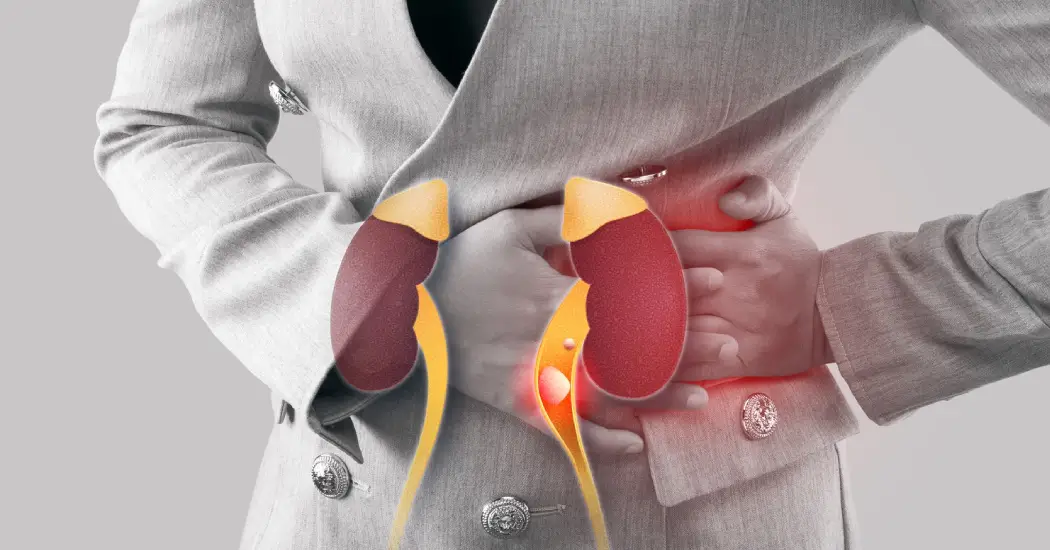
Kidney stones are hard deposits made of minerals and salts that form inside the kidneys. They develop when substances normally dissolved in urine become concentrated and begin to crystallise. Over time, these crystals grow and form stones of different sizes.
Stones may remain in the kidney or move into the urinary tract, often leading to severe pain and urinary symptoms.
What Causes Kidney Stones?
Understanding what causes kidney stones starts with recognising changes in urine chemistry. Kidney stones form when urine contains high levels of stone-forming substances and not enough fluid to dilute them.
Dehydration and Low Fluid Intake
The most common cause of kidney stones is inadequate water consumption. When the body is dehydrated, urine becomes concentrated, allowing minerals to crystallise more easily. Hot climates, excessive sweating, and insufficient daily fluid intake significantly increase the risk.
Excess Stone-Forming Substances in Urine
Certain substances naturally present in urine can form stones when their levels rise. These include calcium, oxalate, uric acid, phosphate, and cystine. When these substances exceed normal levels, they can bind together and form kidney stones.
Dietary Factors That Cause Kidney Stones
Diet plays a significant role in determining what causes kidney stones. Foods and habits that increase risk include:
- - High salt intake, which increases calcium excretion in urine
- - Excess consumption of animal protein, raising uric acid levels
- - Foods high in oxalates such as spinach, nuts, chocolate, and beetroot
- - Sugary drinks and heavily processed foods
Extremely low calcium diets may also increase stone risk by allowing greater oxalate absorption.
Medical Conditions Linked to Kidney Stones
Several medical conditions increase the likelihood of kidney stone formation. These include hyperparathyroidism, gout, obesity, metabolic syndrome, chronic diarrhoea, bowel disorders, and recurrent urinary tract infections. These conditions alter urine composition, making stone formation more likely.
Genetic and Hereditary Factors
Family history is an important factor in what causes kidney stones. Individuals with close relatives who have had kidney stones are more prone to developing them. Certain genetic disorders, such as cystinuria, lead to recurrent stone formation due to abnormal handling of amino acids in the kidneys.
Medications and Supplements
Some medications and supplements may increase the risk of kidney stones. High-dose calcium or vitamin D supplements, excessive vitamin C intake, and certain medications used for other health conditions can alter urine chemistry. Medical guidance is recommended before long-term use of supplements.
Symptoms of Kidney Stones
Symptoms usually appear when stones move from the kidney into the ureter. Common symptoms include:
- - Severe pain in the side, back, or lower abdomen
- - Pain radiating to the groin
- - Pain or burning during urination
- - Blood in urine
- - Frequent urge to urinate
More serious symptoms such as fever, chills, persistent vomiting, or difficulty passing urine require immediate medical attention.
How Kidney Stones Are Diagnosed
Diagnosis focuses on identifying the stone and understanding what causes kidney stones in each patient. Doctors may recommend urine tests, blood tests, and imaging studies such as ultrasound or CT scans. These tests help determine the stone’s size, location, and possible cause.
Treatment Options for Kidney Stones
Treatment depends on the size, type, and location of the stone, as well as the severity of symptoms.
Small stones may pass naturally with increased fluid intake and pain management. Medications may be prescribed to help relax the urinary tract and ease stone passage.
Larger or complicated stones may require minimally invasive procedures such as shock wave therapy or endoscopic stone removal. These techniques are safe and effective when performed by experienced urologists.
How to Prevent Kidney Stones
Prevention focuses on addressing what causes kidney stones. Key preventive measures include:
- - Drinking sufficient water throughout the day
- - Reducing salt intake
- - Maintaining a balanced diet with adequate calcium
- - Limiting excessive animal protein
- - Maintaining a healthy body weight
- - Managing underlying medical conditions
Patients with a history of kidney stones benefit from personalised prevention plans.
Conclusion
Understanding what causes kidney stones is essential for preventing this painful and often recurrent condition. Kidney stones develop due to dehydration, dietary habits, medical conditions, genetic factors, and certain medications. While kidney stones can be distressing, most cases are preventable with proper hydration, dietary modifications, and timely medical care.
At Mitr Urology Associates, we focus on identifying the underlying cause of kidney stones and providing personalised treatment and prevention strategies. Early consultation with a urology specialist can help protect kidney health and significantly reduce the risk of recurrence.
Copyright © All Rights Reserved, By MITR Urology Associates